Entry · Ref 0VYALYKY
Why Less Is More With a Great Cheese Pizza
- Posted
- 2026-11-09
- Last amended
- 2026-11-09
- Account
- @louishgly858
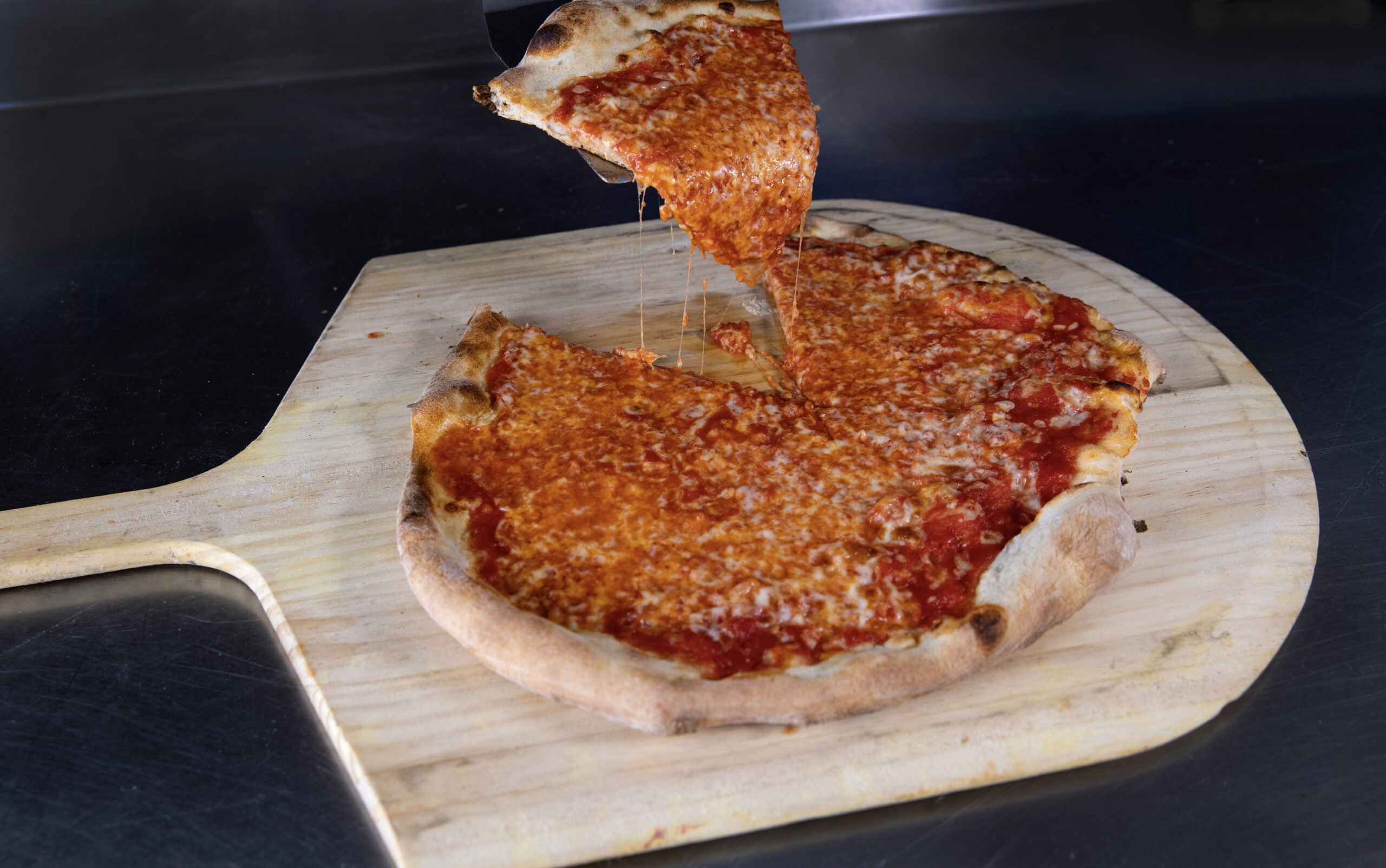
There is a reason the plain pie has survived every food trend thrown at it. Long before menus started promising truffle oil, hot honey, smoked brisket, or six kinds of imported salami, the standard Cheese Pizza had already settled into its place as the benchmark. It is the version that exposes everything. There is nowhere to hide a weak dough, a blunt sauce, or low-grade mozzarella when the pie has only a few components and each one occupies center stage.
People often treat cheese pizza like the default order for picky eaters, kids, office parties, and indecisive groups. That misses the point. A great cheese pizza is not the absence of imagination. It is the result of discipline. It asks more of the cook, not less. If a pizzeria can make a memorable plain pie, chances are good the rest of the menu stands on solid ground. If it cannot, no pile of toppings will rescue it.
That is what makes the phrase “less is more” especially true here. The fewer moving parts on a pizza, the more every decision matters. Small differences in flour hydration, fermentation time, tomato acidity, cheese moisture, bake temperature, and even the way the pie is cut become obvious the moment you take a bite.
The plain pie is the hardest one to fake
I have eaten enough pizza in neighborhood shops, high-volume chains, old-school slice joints, and wood-fired restaurants to notice a pattern. The pizzas loaded with toppings tend to blur together. Pepperoni gives a predictable hit of salt and spice. Sausage brings fennel and fat. Mushrooms, onions, olives, and peppers add texture and moisture. Those can all be good. Sometimes they are excellent. But they also create cover.
A cheese pizza offers no cover at all.
When a pie comes out with only sauce and cheese, every flaw is easy to spot. If the crust lacks flavor, you know within the first chew. If the sauce is too sweet, it takes over the bite immediately. If the mozzarella breaks into a greasy layer instead of melting smoothly, there is nothing else to distract you. The plain pie is the culinary equivalent of clean handwriting on white paper. Precision matters more because there is no decoration to soften the mistakes.
That is why experienced pizza makers often judge a shop by its cheese slice first. It reveals the place’s standards. Are they stretching the dough gently or fighting it? Is the oven hot enough to set the crust before the toppings steam it? Do they understand restraint with cheese, or are they burying the pie under a blanket that prevents proper baking? These questions matter more than any topping list.
Good dough carries more of the experience than most people realize
People talk about cheese and sauce because they are visible, but dough does most of the heavy lifting. In a strong cheese pizza, the crust is not just a container. It is the structure, the aroma, the chew, the first resistance your teeth meet, and the finish that lingers after the cheese is gone.
A well-made dough tastes faintly wheaty, slightly fermented, and alive. It should have enough strength to support the slice, enough tenderness to avoid fighting back, and enough char or browning to contribute bitterness in the best possible way. That last part matters. Cheese and tomato naturally lean rich and acidic. The browned crust balances both.
The trade-offs begin before the dough ever sees an oven. A higher hydration dough can produce an airier crumb, but it also demands more handling skill and can be trickier in a busy kitchen. A longer fermentation often yields better flavor, but it requires space, planning, and a willingness to work slowly. A little sugar or oil in the dough can help browning and softness, though too much pushes the crust toward breadstick territory. None of these choices are accidental in a shop that knows what it is doing.
At home, the same principle applies. One of the most common mistakes with homemade Cheese Pizza is overemphasizing toppings while underestimating dough development. People will buy expensive mozzarella and imported tomatoes, then rush the dough with a short rise and wonder why the result tastes flat. Even a basic 24-hour cold ferment can change the entire pie. The dough becomes easier to stretch, more fragrant, and notably more complex in flavor.
Sauce is not there to dominate
A good pizza sauce is usually simpler than people expect. It should bring brightness, sweetness from ripe tomatoes, a little salinity, and perhaps a whisper of herbs or garlic. It should not taste like pasta sauce spooned onto bread.
This is where less is more becomes practical, not philosophical. Cheese pizza depends on proportion. Too much sauce and the center turns soupy. Too little and the pie tastes dull and dry. A heavy hand with oregano, sugar, or garlic powder can make the whole thing taste generic. The sauce should lift the cheese, not argue with it.
The best pizza sauces often taste almost incomplete on their own. That is because they are designed for the oven and for partnership. Heat concentrates the tomato. Cheese contributes richness and salt. Crust adds toasted flavor. Once combined, the whole pie tastes finished. A sauce that seems bold in the mixing bowl can become exhausting on the slice.
There is also a textural issue that topping-heavy pizzas often mask. If the sauce is too wet, it interferes with the bake. Moisture accumulates between dough and cheese, weakening the structure and dulling the underside. On a loaded pie, you may notice the sogginess but blame the vegetable toppings. On a plain pie, the sauce has to answer for itself.
Cheese should support the pie, not smother it
This is where many restaurants and home cooks get carried away. More cheese sounds generous, but beyond a certain point it works against the pizza. Excess cheese insulates the surface, delays browning, traps steam, and leaves the slice heavy and greasy. It can also flatten the flavor. The pie starts tasting like melted dairy and little else.
A great Cheese Pizza uses enough cheese to create coverage, richness, and that satisfying pull, but not so much that the crust disappears under it. In many shops, the difference between an average pie and a very good one is simply an ounce or two of restraint.
Mozzarella is usually the standard for obvious reasons. Cheese Pizza It melts well, browns attractively, and has the mildness to let the dough and tomato speak. But even within mozzarella there is plenty of judgment involved. Fresh mozzarella offers tenderness and milky flavor, though it can release too much moisture if not drained carefully. Low-moisture mozzarella browns better and gives that classic pizzeria pull, but poor-quality versions can turn rubbery or overly salty. Some pizza makers blend the two for balance. Others add a little provolone, pecorino, or parmesan for depth.
The key is balance, not abundance.
I have had excellent cheese pizzas that looked almost understated when they arrived. No dramatic overhang of cheese. No oil slick pooling at the tip. No theatrical stretch that lasts half a minute for social media. Just even coverage, a few browned spots, and a crust that still had identity. Those pies almost always eat better than the overloaded ones.
Simplicity sharpens technique
One thing professional cooks learn quickly is that complicated food can absorb technical sloppiness. Simple food cannot. The same is true of pizza.
On a cheese pizza, the stretch matters. If the center is too thin, it collapses. If the rim is too thick, the proportions feel off. The sauce spread matters because uneven application creates bites that are either dry or flooded. Cheese placement matters because clumps melt differently than an even layer. Launching and rotating matter because a plain pie will reveal an uneven bake immediately.
That is part of why the best slice shops often make the process look effortless. What seems simple is usually the result of repetition. A veteran pizza maker can feel when the dough is properly fermented. They know how much bench flour is too much. They know when the pie needs ten more seconds in the oven and when ten more seconds will push it past ideal. On a topping-heavy pizza, customers may never notice those distinctions. On a cheese pizza, they define the meal.
This is also why beginners who want to get better at making pizza should spend more time on plain pies. They are honest teachers. You learn quickly how your oven behaves, how moisture affects the bake, how much sauce is appropriate, and whether your dough recipe actually works. Fancy toppings can wait. Cheese pizza gives the clearest feedback.
The flavor is cleaner, and that matters
There is a sensory fatigue that comes with overloaded food. If every bite hits salt, sweetness, smoke, chili, cured meat, and garlic at once, the palate gets tired fast. The first slice can be exciting. The third can feel like work.
A great cheese pizza avoids that problem. The flavors are cleaner and more legible. You can taste the tang of the tomato, the sweetness of good dairy, the toasted notes in the crust, the faint bitterness from char, and the way all of it changes as the slice cools. The pie stays compelling because it does not overwhelm you.
That cleaner profile also makes a cheese pizza more versatile. It works at lunch, at midnight, fresh from the oven, or reheated the next morning in a skillet. It pairs as easily with sparkling water as with beer or red wine. It suits a quick fold-and-walk slice just as well as a slower sit-down meal. Richer or more complicated pizzas often shine in one context and feel excessive in another. Cheese pizza adapts.
There is something else at work too, something less technical but just as real. The plain pie has confidence. It does not need novelty to hold attention. It trusts the fundamentals. That can sound romantic, but diners respond to it in practical ways. When a pizza is well made and not overloaded, you keep reaching for another bite because the flavor stays balanced instead of peaking too early.
Toppings can be excellent, but they change the mission
None of this is an argument against toppings. A well-made mushroom pie, a sharp pepperoni pizza, or a white pie with seasonal greens can be superb. The point is that toppings change the mission of the pizza. They introduce new flavors, yes, but they also introduce moisture, weight, salt, fat, and competing aromas. Every added ingredient creates another problem to solve.
Pepperoni cups release oil. Mushrooms shed water unless pre-cooked or sliced with care. Fresh vegetables can steam the top of the pie. Cured meats can overpower the sauce. Even ingredients people think of as light, such as basil or arugula, affect the texture and balance if applied carelessly.
Cheese pizza operates with fewer variables. That is part of its elegance. It reduces the number of things that can go wrong and concentrates attention on doing a few things extremely well. In that sense, less is not merely more delicious. Less is more controllable.
When a shop insists that every pie needs half a dozen toppings to be interesting, I tend to suspect they do not trust their base product. Strong dough, good sauce, and proper cheese do not need disguises. They need respect.
Why cheese pizza is the fairest test of a pizzeria
If you want to judge a pizza place quickly, order a slice or whole Cheese Pizza before anything else. You will learn almost everything you need to know.
Here is what I pay attention to first:
- The crust, whether it has flavor, structure, and proper browning.
- The sauce, whether it tastes fresh and balanced rather than sugary or flat.
- The cheese, whether it melts evenly without turning greasy.
- The ratio, whether any one element dominates the others.
- The finish, whether the slice leaves you wanting another bite.
That short checklist tells you more than a specialty pie covered in toppings ever could. A mediocre shop can produce a passable meat-lover’s pizza because the toppings do so much of the sensory work. A very good shop can make a plain pie that feels complete and satisfying without any extra help.
This test is especially useful when traveling. Every region has its own style and standards, from thin, foldable slices to pan pies with crisp edges to wood-fired rounds with leopard spotting. Styles differ, but the principle does not. Simplicity reveals skill in every format.
Making a better cheese pizza at home
Home cooks sometimes assume they need restaurant equipment to make standout pizza. A professional deck oven helps, certainly. So does a wood-fired setup. But most of the improvement comes from method, not gadgets.
A pizza stone or steel can make a major difference because it stores heat and encourages bottom browning. So can preheating longer than feels necessary. Many home ovens claim they are ready in ten or fifteen minutes, but the cooking surface often needs 45 minutes or more to really saturate with heat. That alone can change a pale, soft crust into something crisp and properly blistered.
Beyond equipment, a handful of habits matter more than expensive ingredients:
- Give the dough time, ideally at least overnight in the refrigerator.
- Use less sauce than your instincts suggest.
- Dry fresh mozzarella well, or choose a good low-moisture cheese.
- Stretch gently and keep the center even.
- Bake hotter than you think, within your oven’s limits.
Those points sound modest, but together they solve most home pizza problems. They also reinforce the larger lesson. The goal is not to pile on more in hopes of creating flavor. The goal is to improve the fundamentals so the pie can stand on its own.
One useful exercise is to make two otherwise identical pizzas, then vary just one factor. Try one with a shorter fermentation and one with a longer one. Or one with slightly less cheese. Or one baked on a sheet pan and one on a preheated steel. Cheese pizza makes those comparisons obvious, which is why it teaches so well.
Restraint is part of hospitality
There is a cultural habit, especially in American dining, of equating abundance with value. Bigger portions, more toppings, extra cheese, stuffed crusts, side cups of sauce. Sometimes that is fun. Sometimes it is exactly what the moment calls for. But abundance and generosity are not always the same thing.
A thoughtfully made cheese pizza can feel more generous than a bloated one because it respects the eater. It does not leave the crust limp under excess weight. It does not exhaust the palate by the second slice. It does not force every ingredient to shout. Instead, it gives each component enough room to do its job.
That kind of restraint takes confidence from the cook and trust from the customer. Not every diner wants it. Some people genuinely prefer a maximalist pie, and there is room for that preference. But when people talk about the pizzas they remember years later, they are often describing balance more than spectacle. The crust had crackle and chew. The sauce tasted alive. The cheese browned just enough. Nothing was excessive, and nothing was missing.
That is the sweet spot. It is harder to reach than it looks.
The case for leaving it alone
The longer you spend around good pizza, the more you appreciate what a plain pie asks of everyone involved. The cook has to be precise. The ingredients have to be worthy. The oven has to be right. The customer has to understand that simplicity is not emptiness.
That is why a great Cheese Pizza still stands as one of the clearest expressions of culinary judgment. It proves that flavor does not need clutter. It proves that technique matters. It proves that when the fundamentals are excellent, adding more can actually subtract from the experience.
Less is more because less leaves room for quality to show itself. On a great cheese pizza, that quality is easy to taste from the first bite to the last crust.
Brooklyn Pizza
1647 Arapahoe Ave
Boulder, CO 80302
+1 720-328-2324
FAQ About Cheese Pizza
What type of cheese is used on a cheese pizza in Boulder, CO?
The cheese varies by pizzeria. Brooklyn Pizza uses whole-milk mozzarella made in-house on its standard pies and offers a plant-based cheese option for vegan pizza. Ask the shop directly about ingredients if you have a dietary restriction.
How many slices are in a large pizza in Boulder, CO?
Slice count depends on how the shop cuts the pie. Brooklyn Pizza lists a 16-inch large pizza. If you are ordering for a group, call to confirm the number of slices or ask whether a smaller cut is available.
What is New York style pizza in Boulder, CO?
New York-style pizza usually has a thin crust and wide slices that can be folded. A classic cheese slice pairs tomato sauce with mozzarella. Brooklyn Pizza serves New York-style pizza by the slice and as whole pies.