Entry · Ref UN32XYUL
How to Make a Healthier Cheese Pizza Without Losing Flavor
- Posted
- 2026-11-09
- Last amended
- 2026-11-09
- Account
- @louishgly858
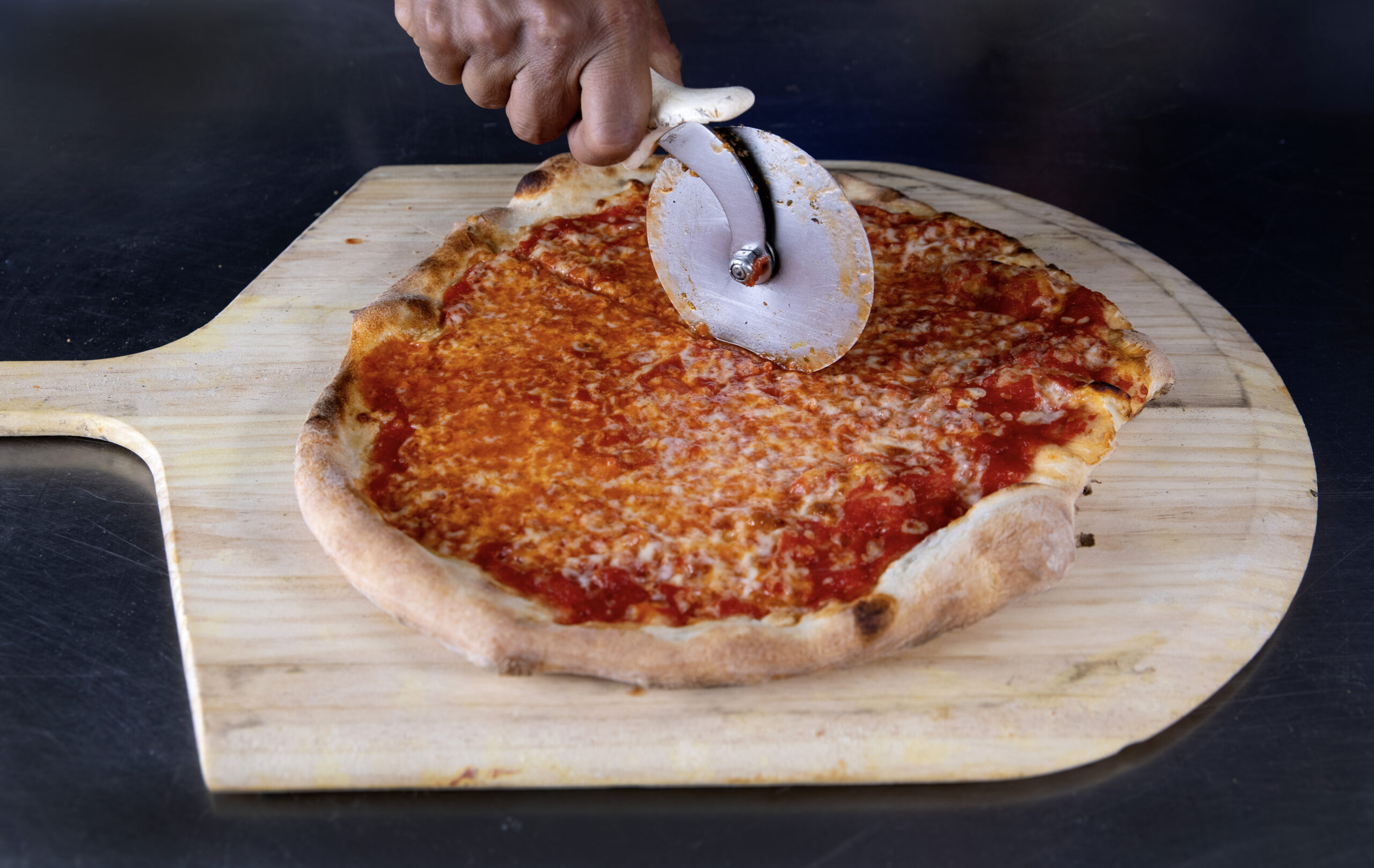
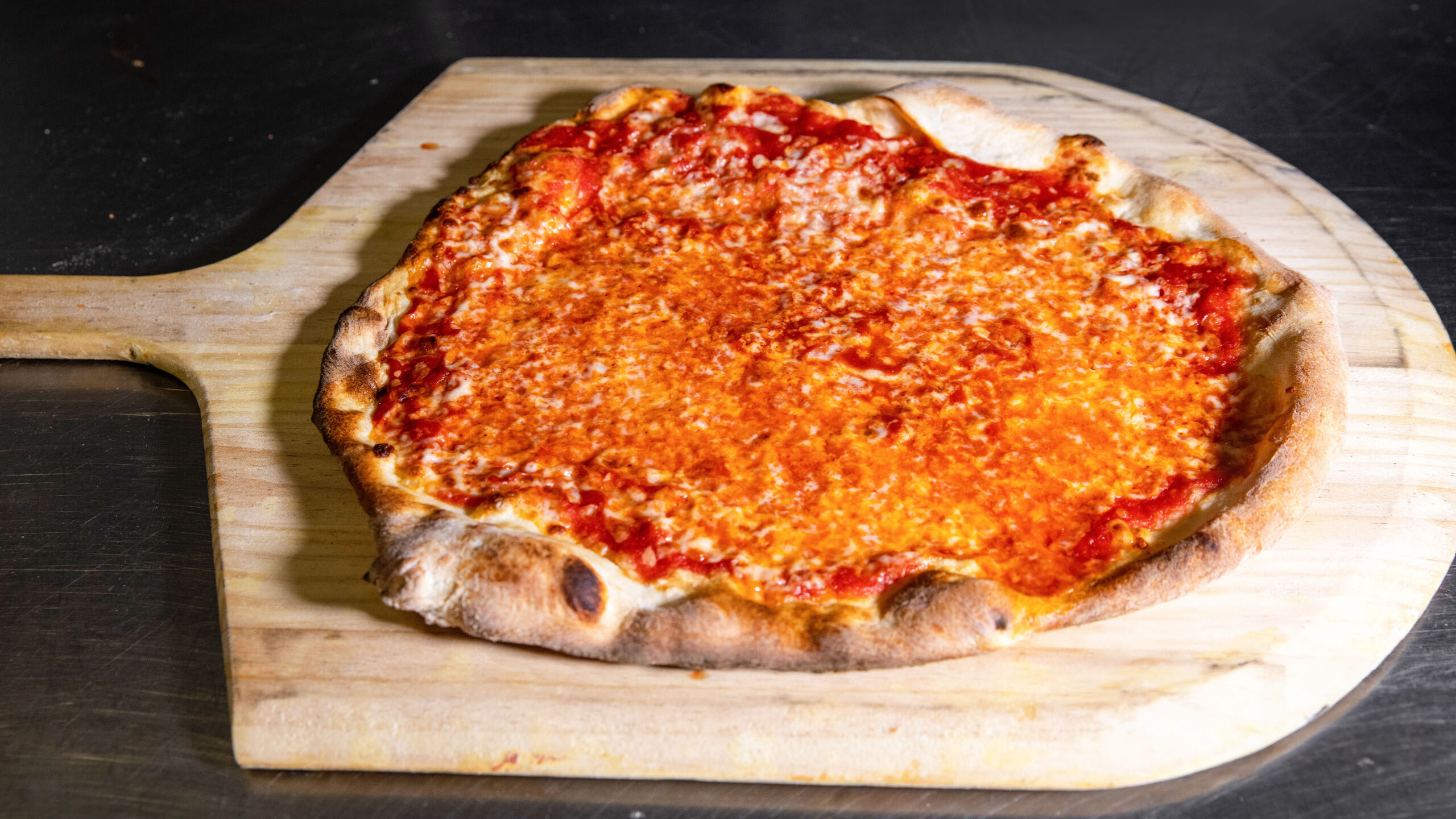
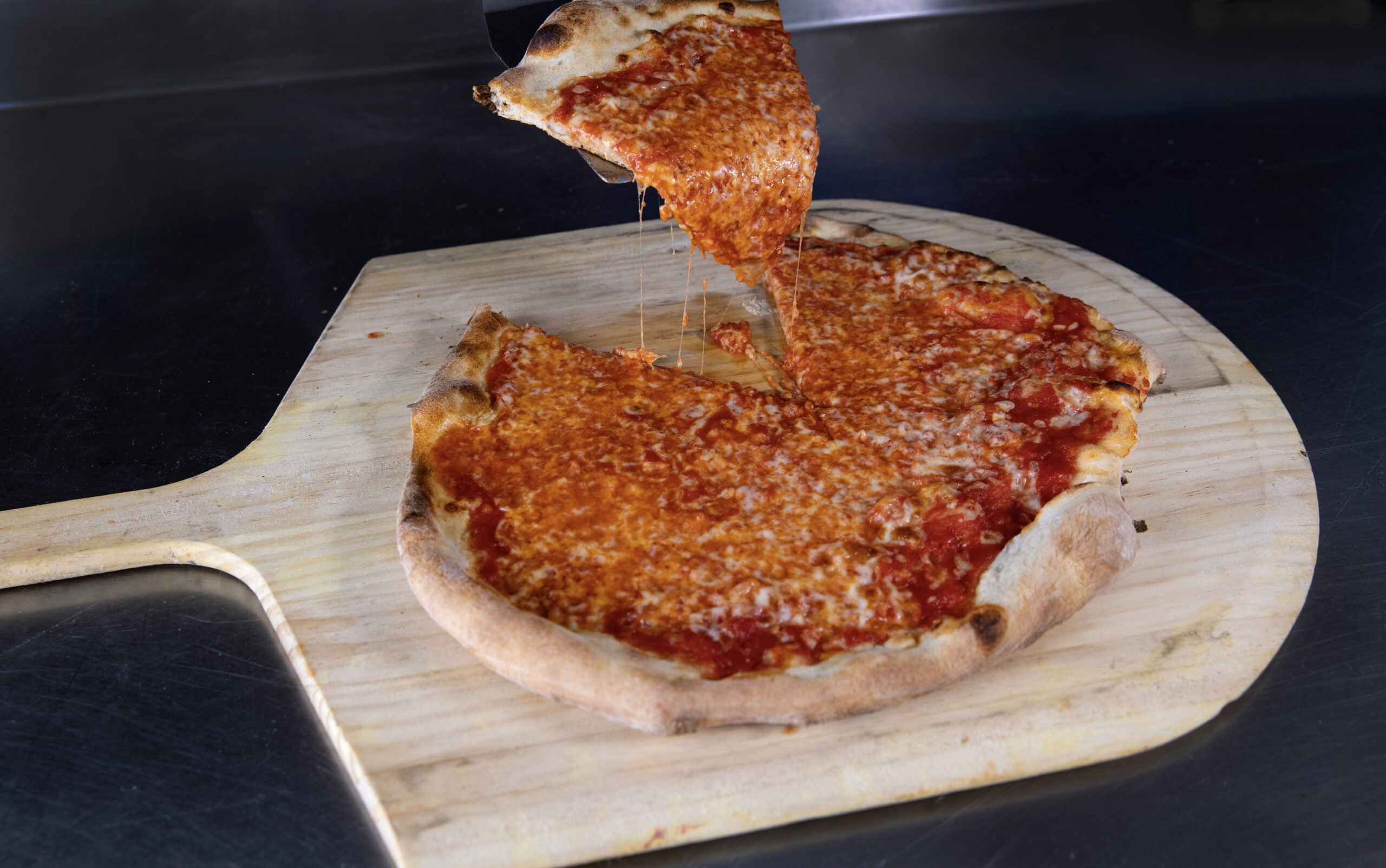
Cheese pizza has a reputation problem. For years, it has been treated as the fallback choice, the plain option, the one people order when they cannot agree on toppings. It also gets written off as nutritional dead weight, mostly refined flour, melted cheese, and salt. That view misses two important truths. First, a well-made cheese pizza can be Cheese Pizza deeply satisfying in a way overloaded pizzas rarely are. Second, it is one of the easiest pizzas to improve nutritionally because every element is visible, adjustable, and worth paying attention to.
When I work on making a pizza healthier, I do not start by trying to make it virtuous. I start by asking what actually makes a good slice taste good. Usually the answer Cheese Pizza is not “more cheese” or “less cheese.” It is balance. You want a crust with character, sauce with brightness, cheese that melts well and browns in spots, and enough seasoning to make each bite feel complete. Once you understand that, you can trim calories, improve the nutrient profile, and keep the flavor where it belongs.
The best healthier cheese pizza does not taste like a compromise. It tastes like a better-edited version of the original.
What “healthier” really means for pizza
A healthier pizza is not a zero-fat, low-carb imitation that leaves you looking for a snack an hour later. It is a pizza that gives you more nutritional value per slice and makes portion control easier because it is genuinely satisfying.
That often means improving several small things rather than making one dramatic substitution. A crust with more fiber can help with satiety. A sauce with no added sugar and plenty of tomato flavor can reduce empty sweetness and bring natural acidity. A smarter cheese blend can lower saturated fat a bit while keeping the melt and flavor you expect. Even the way you bake and portion the pizza matters. A thinner crust cooked hot enough to crisp properly often feels more indulgent, even if it uses less dough and less cheese.
The trap is treating healthfulness as subtraction alone. If you just remove oil, reduce cheese aggressively, and swap in a dry crust, the whole pie suffers. People often respond by eating more of it, or by adding salty packaged sides to compensate. A healthier cheese pizza should still feel complete on its own.
Start with the crust, because that is where most pizzas go off track
Crust usually carries more of the pizza’s calorie load than people realize. A thick, dense base can add up quickly before sauce or cheese even enters the picture. That does not mean crust is the enemy. It means crust deserves scrutiny.
In practice, the healthiest choice is often a thinner crust made from a dough that has had time to ferment. A long-rise dough, even overnight in the refrigerator, develops stronger flavor and better browning. That matters because better flavor in the crust means you need less cheese and less oil on top to make the pizza feel satisfying. Fermentation also improves texture, giving you a lighter, airier chew instead of a bready slab.
Whole wheat flour is useful, but only to a point. People often make the mistake of using 100 percent whole wheat and then wondering why the pizza eats heavy and tastes coarse. In my experience, a blend works far better. Something in the range of one-third to one-half whole wheat flour gives you more fiber and a nuttier depth without sacrificing the open, tender texture most people want in pizza. If you go beyond that, hydration and handling become more demanding, and the final pie can turn dense unless you know exactly how to manage the dough.
If you want a simpler route, look for high-protein or part-whole-grain pizza dough rather than novelty crusts that promise miracles. Cauliflower crust can be decent, but it often behaves more like a flatbread substitute than true pizza dough. Some versions are also surprisingly high in sodium and additives. For many households, a thoughtfully made wheat-based crust ends up being both healthier and more satisfying.
A small practical detail makes a big difference here. Roll or stretch the dough thin enough that the sauce and cheese are proportionate. If the crust is too thick in the center, you are no longer making a balanced cheese pizza. You are making bread with toppings.
Sauce is more important than people think
A bland or overly sweet sauce is one of the main reasons people pile on extra cheese. They are trying to cover a weak base. Good sauce lets you do less on top.
Tomatoes bring acidity, sweetness, and umami naturally. A simple sauce made from crushed tomatoes, a little garlic, salt, and perhaps dried oregano can beat many jarred options. If you use packaged sauce, the label matters. Some commercial pizza sauces are loaded with added sugar, excess sodium, and enough seasoning to taste muddy rather than fresh.
The goal is concentration without heaviness. Spread too much sauce and the crust steams instead of crisping. Use too little and the pizza tastes dry. For a standard 12-inch pie, roughly half a cup is often enough, sometimes slightly less if the sauce is loose. The layer should look thin and deliberate, not puddled.
A trick I return to often is simmering sauce briefly to drive off excess water before it goes on the dough. That one move strengthens tomato flavor and helps the crust stay crisp. If the tomatoes are especially acidic, a small pinch of salt does more for balance than sugar usually does. Good canned tomatoes already contain natural sweetness, especially when they are cooked down a bit.
Fresh herbs can be wonderful, but use them wisely. Basil loses impact if buried under cheese before baking. Adding a few leaves after the pizza comes out of the oven gives you aroma without requiring more fat or salt.
Cheese is not the problem, excess and poor choice are
People trying to lighten cheese pizza often overcorrect. They use a fat-free shredded cheese that melts badly, turns rubbery, and leaves an odd aftertaste. Then they assume healthier pizza simply cannot be delicious. The issue is not cheese itself. It is understanding which cheese does what.
Mozzarella remains the backbone of a good cheese pizza because it melts smoothly and has a clean dairy flavor. The healthier move is not eliminating mozzarella but controlling moisture and portion. Part-skim low-moisture mozzarella is usually the sweet spot. It melts well, browns nicely, and cuts some fat without becoming joyless. Fresh mozzarella can be excellent, but it releases more water and can make a thin crust soggy unless you drain it carefully and use it sparingly.
A blend often performs better than a single cheese. For example, using mostly part-skim mozzarella with a small amount of Parmesan or pecorino gives you more punch per bite. Hard aged cheeses carry concentrated flavor, so a little goes a long way. This lets you reduce total cheese without making the pizza feel skimpy.
Here is the approach I recommend most often:
- Use part-skim low-moisture mozzarella as the main cheese.
- Add a modest finishing cheese such as Parmesan for sharper flavor.
- Keep total cheese coverage even rather than piling it thick in the center.
- Leave a few small gaps so the sauce can peek through and the top can brown.
- Weigh the cheese once or twice, then adjust by eye in future batches.
That last step sounds fussy, but it is helpful. Many home cooks underestimate how much cheese they use. For a 12-inch cheese pizza, around 4 to 6 ounces of mozzarella, sometimes a touch more depending on style, is often plenty when the sauce and crust are doing their job. A heavy hand can easily push that amount far past what improves flavor.
Fat is not the enemy, but distribution matters
Olive oil is one of the easiest ways to make pizza taste better, and one of the easiest ways to overshoot. A teaspoon brushed around the crust edge can help with browning and aroma. A free-poured glug across the whole pie can add a surprising amount of calories while making the surface greasy.
This is where professional kitchens teach a useful lesson. Small, intentional amounts applied in the right place outperform excess. A light brush on the rim, a restrained amount in the pan if you are making a pan pizza, or a measured drizzle after baking can all add richness. You do not need oil in every layer.
The same idea applies to seasoning. Salt is vital for dough, sauce, and cheese balance, but over-salting is common when people use pre-shredded cheese, jarred sauce, and cured toppings together. Since this article is about cheese pizza, you have a built-in advantage. Without pepperoni or sausage, you have more control over sodium. That control should encourage precision rather than complacency.
I find that a few turns of black pepper and a restrained pinch of dried oregano can make a lighter cheese pizza taste more complete. Crushed red pepper flakes also sharpen perception of flavor, which can make moderate cheese levels feel richer than they are.
Texture is the hidden key to satisfaction
Flavor is not the only reason a pizza feels indulgent. Texture does a lot of the work. A crisp base, browned cheese, and a little chew create satisfaction far beyond what the ingredient list suggests.
That is why oven temperature matters so much. If your oven runs cool, the pizza sits there drying out instead of setting quickly. A hot oven, often 475 to 500 degrees Fahrenheit in a home kitchen if your equipment allows it safely, gives you better oven spring, more blistering, and more contrast between crust and topping. A preheated pizza steel or stone helps even more. The pizza bakes faster, the bottom crisps before the top overcooks, and the cheese develops spots of browning that amplify flavor.
This matters nutritionally because texture-rich food feels fuller and more complete. When a slice has crispness and chew, you slow down. You register each bite more clearly. A limp, underbaked pizza often encourages mindless eating because it never really delivers the payoff you were looking for.
There is also a practical issue with pre-shredded cheese. It contains anti-caking agents that can interfere slightly with melt and browning. Shredding your own cheese takes a few extra minutes, but the result is usually better enough to justify using a bit less.
The healthiest upgrade may be the one you do not notice
Sometimes the strongest nutritional improvements are almost invisible at the table. Mixing whole wheat into the dough is one example. Another is serving the pizza with a sharply dressed salad or roasted vegetables, not as punishment, but as a contrast. Acidic greens next to warm cheese pizza reset the palate and make one or two slices feel more satisfying.
Portioning also matters more than most recipes admit. A personal pizza can be an excellent tool if it is truly personal sized and built with intention. But many so-called personal pizzas are essentially full restaurant portions with a more flattering label. When making pizza at home, decide before baking whether the pie serves one hungry person, two moderate eaters, or more. Slicing it with that decision in mind changes how people eat it.
One thing I have seen repeatedly is that a well-balanced 10- to 12-inch cheese pizza shared with salad often satisfies two adults better than a larger, overloaded pizza eaten alone with no sides. You end up with a more enjoyable meal and, usually, a better nutritional outcome.
Smart ingredient swaps that preserve flavor
Most people do not need a whole new pizza philosophy. They need a few reliable swaps that improve the end result without turning dinner into a project. These are the ones I trust because they work in ordinary home kitchens.
| traditional choice | smarter option | why it works | | --- | --- | --- | | all refined flour crust | part whole wheat dough | adds fiber and flavor with minimal texture loss | | sweet jarred sauce | simple tomato sauce with no added sugar | cleaner tomato flavor, less unnecessary sweetness | | full-fat mozzarella in heavy amounts | part-skim mozzarella in moderate amounts | keeps melt, trims excess fat | | one-note cheese topping | mozzarella plus a small amount of Parmesan | stronger flavor, less total cheese needed | | thick layer of toppings | restrained sauce and even cheese distribution | better crispness, better balance |
These changes are effective because they respect what cheese pizza is supposed to be. You still get chew, melt, tomato brightness, and browned dairy flavor. You are not replacing the soul of the dish. You are refining it.
Common mistakes that make “healthy pizza” taste disappointing
The first mistake is under-seasoning. Reducing cheese and oil lowers not just calories but perceived flavor intensity. If you do not compensate with better dough fermentation, more vivid sauce, or sharper finishing cheese, the pizza tastes flat.
The second mistake is water overload. This happens with fresh mozzarella that has not been drained, watery sauce, or dough that has not been baked on a properly heated surface. The result is a soggy center that feels less satisfying and often leads people to think they need more cheese next time, when the real issue is moisture management.
The third mistake is confusing less with better. If you use too little sauce and a token sprinkle of cheese, you may technically produce a lower-calorie pizza, but it no longer functions as pizza in any meaningful sense. Hunger rebounds quickly. A more sensible target is a pizza that is lighter than takeout and strong enough in flavor to feel like a real meal.
The fourth mistake is ignoring browning. Color equals flavor. A pale cheese topping and blond crust tell you the pizza has not developed enough savory depth. In a healthier cheese pizza, browning is especially important because you are asking fewer ingredients to do more work.
A home kitchen formula that works consistently
When someone asks me for a dependable way to make healthier cheese pizza at home, I give them a simple formula rather than a rigid recipe. Make or buy a dough ball sized for a thin 11- or 12-inch pie. If making dough, include some whole wheat flour, but keep the majority bread flour or all-purpose flour for structure and tenderness. Let the dough rest long enough to gain flavor.
Use a restrained amount of concentrated tomato sauce. Shred part-skim low-moisture mozzarella yourself, then add a light dusting of Parmesan either before or immediately after baking. Preheat the oven thoroughly, ideally with a steel or stone inside for at least 30 to 45 minutes. Bake until the crust is crisp and the cheese has browned in spots, not just melted.
After baking, let the pizza sit for a minute or two before slicing. That short rest helps the cheese set slightly and keeps the toppings from sliding. Finish with black pepper, a few basil leaves, or a tiny drizzle of olive oil if the pie truly needs it. Often it does not.
This is not restaurant theater. It is just good practice. And it produces the kind of cheese pizza people actually want to eat again.
When indulgence is the healthier choice
There is a point many nutrition discussions skip over. Sometimes the healthier decision is to make the proper pizza, just in a smarter size and frequency, instead of chasing a pale imitation every week.
If your favorite version is a classic New York-style cheese pizza with a crisp fold, strong tomato sauce, and generous but not excessive mozzarella, there is value in making that well and enjoying it intentionally. Food habits improve when people feel satisfied, not when they feel managed. A pizza that leaves you content after two slices can support better choices better than a so-called health food that sends you back to the pantry.
The same principle applies to family meals. Children and skeptical partners usually accept healthier changes more readily when the pizza still looks and tastes familiar. A subtle whole-grain dough, a better sauce, and more deliberate cheese distribution rarely trigger complaints. Radical swaps often do.
Flavor first, always
The real secret to a healthier cheese pizza is that flavor cannot be an afterthought. When crust tastes like something, when sauce is bright and tomato-rich, when cheese is chosen for both melt and intensity, you gain room to lighten the pizza without losing its appeal.
That is what separates a satisfying homemade pie from the kind of “healthy pizza” people try once and never repeat. You are not relying on excess to create pleasure. You are building pleasure from technique, proportion, and ingredient quality.
Cheese pizza, at its best, has never needed much. It needs enough. Enough structure in the dough, enough acidity in the sauce, enough cheese to stretch and brown, enough heat in the oven, enough judgment to stop before the pie turns heavy. Get those things right, and healthier stops sounding like a compromise. It starts tasting like confidence.
Brooklyn Pizza
1647 Arapahoe Ave
Boulder, CO 80302
+1 720-328-2324
FAQ About Cheese Pizza
What type of cheese is used on a cheese pizza in Boulder, CO?
The cheese varies by pizzeria. Brooklyn Pizza uses whole-milk mozzarella made in-house on its standard pies and offers a plant-based cheese option for vegan pizza. Ask the shop directly about ingredients if you have a dietary restriction.
How many slices are in a large pizza in Boulder, CO?
Slice count depends on how the shop cuts the pie. Brooklyn Pizza lists a 16-inch large pizza. If you are ordering for a group, call to confirm the number of slices or ask whether a smaller cut is available.
What is New York style pizza in Boulder, CO?
New York-style pizza usually has a thin crust and wide slices that can be folded. A classic cheese slice pairs tomato sauce with mozzarella. Brooklyn Pizza serves New York-style pizza by the slice and as whole pies.